Blending antique and modern interior design is one of those things people respond to almost immediately, even when they cannot quite explain why. A room feels cleaner, calmer, more current on one hand. Then somehow warmer, deeper, more human on the other. That combination is hard to fake. Modern interiors bring order, air, clarity. Antique pieces bring weight, memory, texture, and that lived in quality newer rooms sometimes miss. Put them together well, and the room stops feeling staged. It starts feeling real.
A lot of homes need exactly that. You walk in and everything technically works. The sofa is right, the walls are right, the lighting is fine, the finishes match. Still, something feels flat. Maybe too careful. Maybe too polished. One old dresser, one inherited table, one antique mirror, and suddenly the room has a center of gravity. Not louder. Better. That is the difference people are usually looking for when they search for ways to mix old and new furniture.
What matters here is not owning a lot of antique furniture. It is not even owning expensive pieces. It is knowing how to make the room feel connected. In color. In scale. In mood. In use. The best antique and modern interiors do not feel like two styles forced into the same room. They feel like one point of view. That is what we are really after.
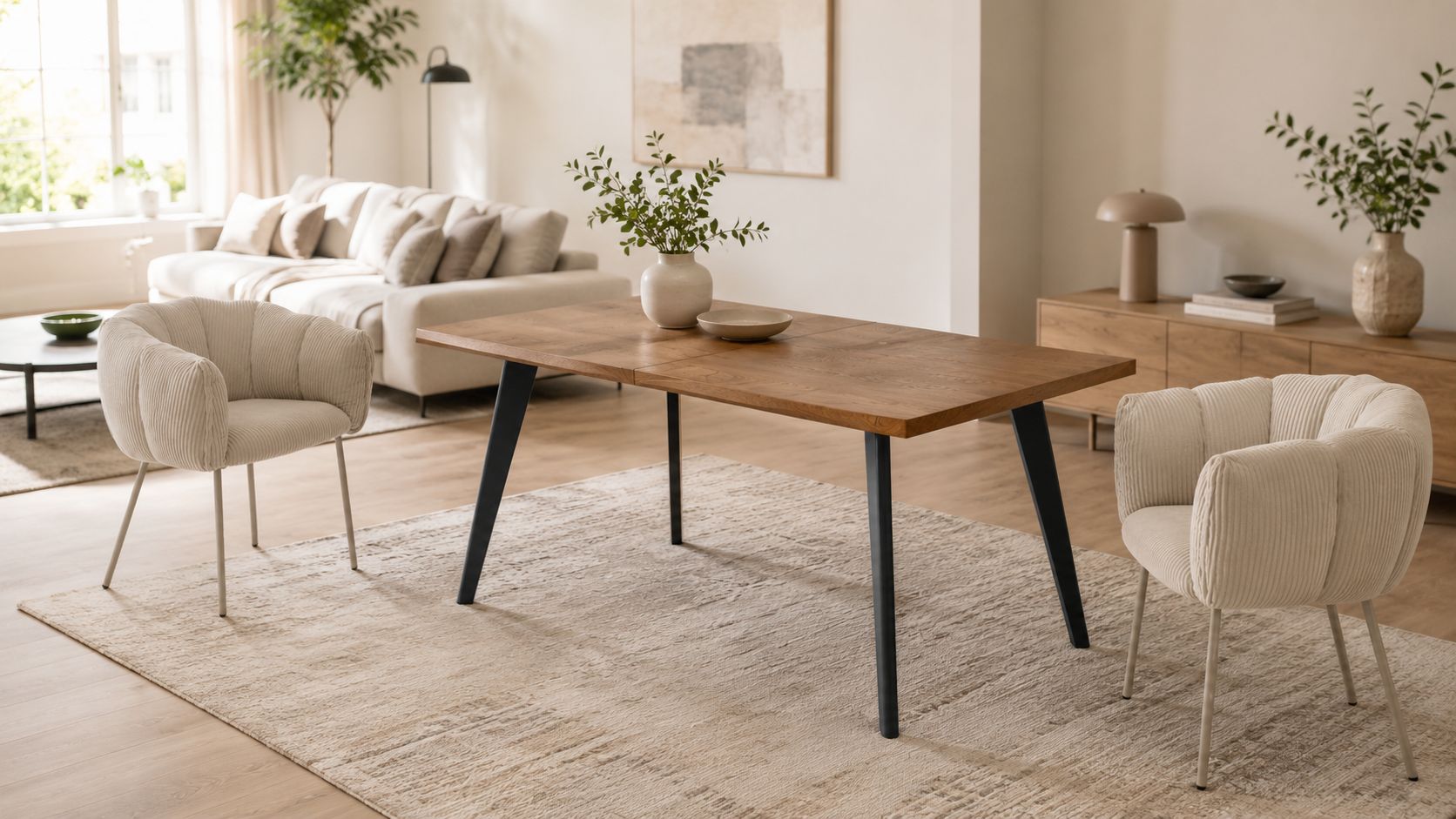
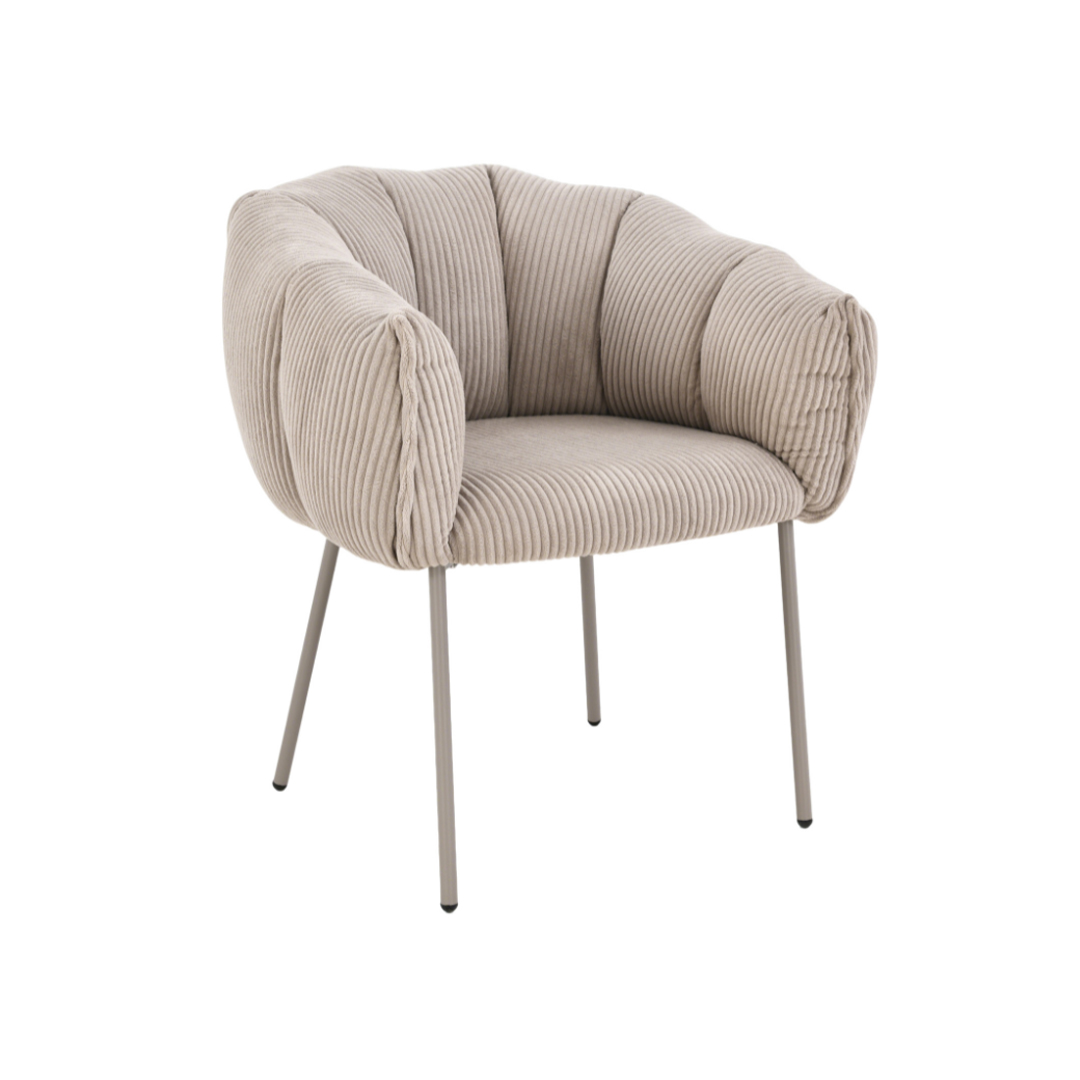 Dining chair beige
View product
Dining chair beige
View product
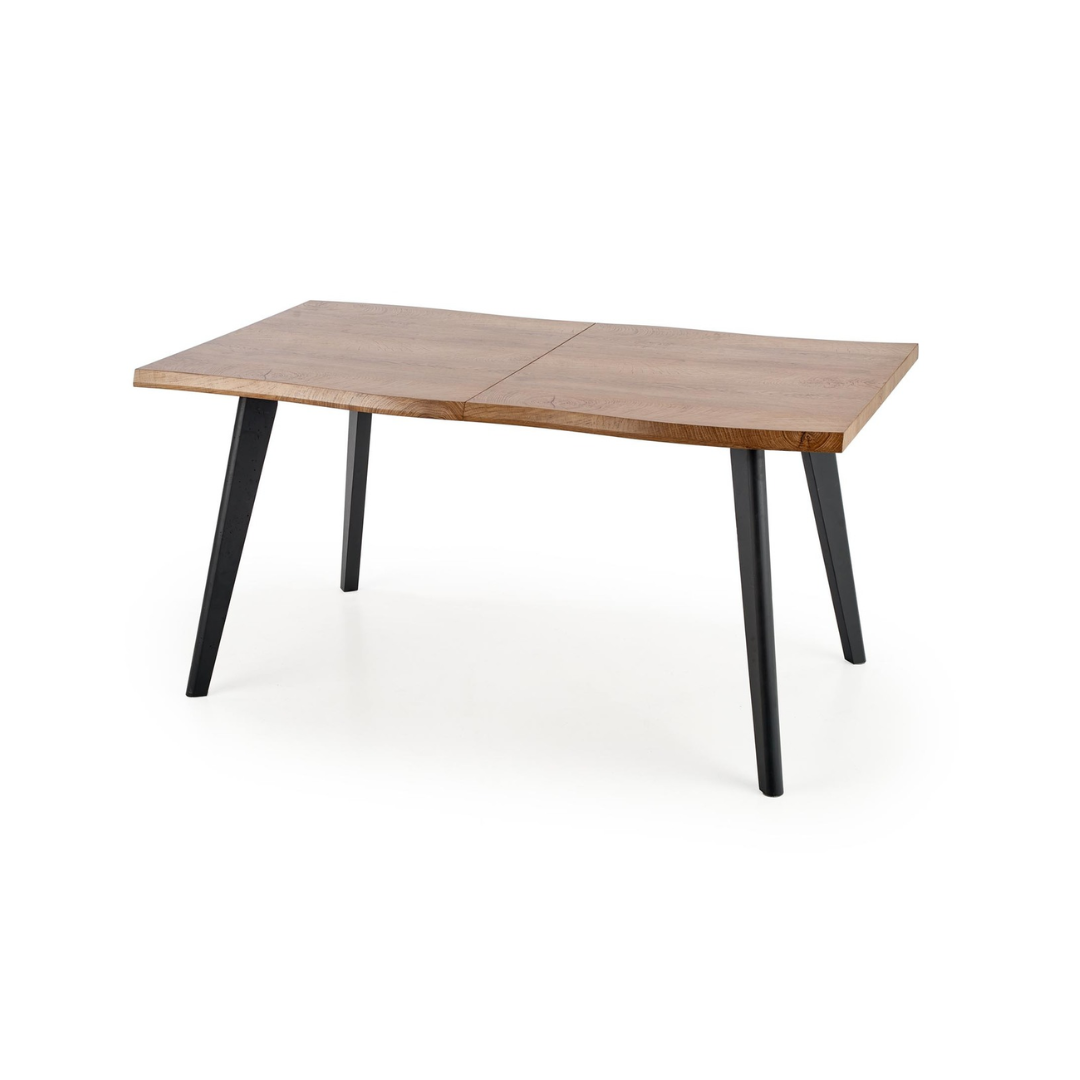 Extendable table black
View product
Extendable table black
View product
Creating the foundation for blending antique and modern interior design
The first thing I usually say in a consultation is this. Start with the room you actually want to live in, not the room you think you are supposed to create. A lot of people say they want a modern home with antique touches, but once we slow down and look at real pieces, the truth comes out pretty quickly. What they usually want is warmth without clutter. Character without heaviness. A room that feels personal, but still calm. That distinction matters because it changes every decision that comes after it.
A good antique and modern interior needs a clear starting point. One anchor. Sometimes it is a walnut dresser. Sometimes a black metal dining table. Sometimes an old mirror, a vintage cabinet, or even a pair of natural linen curtains that changes the whole feeling of the light. The piece itself matters less than the role it plays. It needs to tell you what kind of room this is going to be. Without that anchor, the room starts drifting. Nothing looks obviously wrong, but nothing really lands either.
The next layer is proportion. Antique furniture usually carries more visual weight than modern furniture. That happens because of the wood tone, the detailing, the deeper finish, the patina, the thickness of the forms. Modern pieces tend to read faster and lighter. That is useful. It means the modern side of the room often works best as support, not competition. Pale walls, quieter fabrics, cleaner silhouettes, simpler rugs. The room does not need to wrestle the antique piece. It needs to hold it.
When I am building that kind of foundation, these are usually the first things I check
• which piece carries the most visual weight
• how natural light hits it during the day
• whether the floor and wall help it or flatten it
• whether the room wants to feel open or grounded
• whether there is already one element the rest of the room can connect back to
And once that base feels right, a lot of the later decisions become easier. Not automatic, but clearer. The room starts giving answers back.
The harmony of antique and modern furniture in practice
Harmony gets misunderstood all the time. People hear the word and think it means everything should match. Same tone, same shape, same level of detail. That usually makes a room less interesting, not more. Real harmony is about relation, not sameness. An old dresser and a contemporary sofa can look completely different and still belong together. They just need a shared logic. Sometimes that logic is color. Sometimes it is scale. Sometimes it is as simple as the way the pieces hold space around each other.
Visual weight is where most rooms either settle down or start fighting themselves. If you already have one large carved antique piece in the room, bringing in two more heavy, high presence pieces is usually too much. That is when the modern side needs to back off a little. A simpler sofa. A cleaner coffee table. A lamp that stays disciplined. On the other hand, if your modern furniture is sculptural and strong, then the antique side often works better when it is more delicate. Smaller. Finer. A little quieter.
Good rooms also have rhythm. Your eye should know where to land first, then where to move, then where to rest. That sequence matters more than people think. First you notice the main object. Then the smaller connections start showing up. The wood tone repeats in a frame. A black finish shows up again in a lamp. Upholstery color comes back in the rug. A ceramic piece softens the edge of a harder surface. This is the part that makes a room feel composed rather than just assembled.
Pairings that tend to work well in real life
• an antique dining table with modern chairs
• an old glass front cabinet against a pale wall
• a classic armchair in updated solid upholstery
• a large contemporary painting above an antique dresser
• an old console with black metal lighting nearby
It helps to remember that furniture does not need to agree on everything. It just needs to feel like it belongs in the same conversation.
Without usability, there is no good interior design
A room can look great in pictures and still wear you out in real life. That is one of the least glamorous truths in interior design, but it is true every single time. If a piece is uncomfortable, too large, hard to access, badly placed, or too delicate for the way you actually live, it will not matter how beautiful it is. You will feel the friction every day. And eventually, that friction becomes the room.
That is especially important when you start mixing antique and modern furniture. Older pieces often need reinterpretation. Not because they are flawed, but because daily life has changed. An antique dresser can work beautifully as media storage. An old trunk can become a coffee table. A vintage desk can absolutely anchor a home office if the chair height, task lighting, and cable management are solved well around it. A glass cabinet can work as a bookcase if you let it breathe instead of stuffing it edge to edge.
Family homes make this even clearer. If children move through the room, if friends gather often, if the living room really gets used, then the practical questions come first whether we like it or not. How sharp is that table corner. Does that old chair sit comfortably for an actual dinner. Do those drawers stick. Is the traffic flow blocked. These things matter more than the fantasy version of the room. Good interior design has to survive real use. Otherwise it is just styling.
A few things I always check for livability
• the scale of the furniture fits the room
• circulation paths stay open
• storage is easy to access
• fabrics and finishes can handle everyday use
• modern additions solve comfort gaps around older pieces
And really, this is where trust comes from in a room. You do not have to be careful all the time. You can just live there.
Accessories that tie the old and the new together
People tend to focus on the major furniture pieces first, which makes sense, but the smaller details are often what make the room feel finished. Hardware, lamps, candleholders, trays, side tables, mirror frames, ceramics. These things do quiet structural work. They repeat finishes, soften transitions, and help older and newer pieces sit together without looking forced.
Hardware is a good example. If an old dresser still has beautiful original pulls, I usually want to keep them. If they are damaged or missing, then replacing them can absolutely work, but it has to be done with restraint. Aged brass, old bronze, plain porcelain, those tend to hold up much better than anything flashy. The same goes for table bases and legs. An old tabletop on a modern frame can look great. If the proportions are right, it feels smart. If they are not, it feels off immediately.
Lighting often does more work here than people expect. A modern floor lamp next to an antique armchair can be exactly the right move. It sharpens the room and keeps it current without stripping the old piece of its character. A clean lined mirror above an antique console can do the same thing. So can a simple ceramic object on a carved sideboard. Usually it is not one dramatic move that makes the room coherent. It is a series of small decisions that all point in the same direction.
Details that usually help bridge the gap
• aged brass hardware on an updated antique dresser
• a black floor lamp next to a classic chair
• a plain ceramic candleholder on carved wood
• a clean lined mirror above an older console
• a restrained tray under a mix of old and new objects
If the big pieces are the architecture of the room, the accessories are often what give it fluency.
Color unity when blending antique and modern interiors
Color is where a lot of these rooms either calm down or quietly fall apart. Not because the chosen colors are bad on their own, but because they are not working with the furniture that is actually there. The wood tone of an antique piece is not neutral just because it is brown. It carries temperature. Sometimes it leans golden, sometimes smoky, sometimes reddish, sometimes nearly black. That tone affects the wall, the upholstery, the rug, the art, everything around it.
That is why calmer base colors tend to work best. Warm white. Soft beige. Sand. Greige. Gentle gray. Smoky blue. Muted olive. Colors like these let furniture breathe. They do not compete with old wood or patinated metal. Darker walls can be beautiful too, but they need more control. A deep wall color makes antique furniture feel more dramatic and more concentrated. A lighter wall lets the piece open up visually. Neither one is automatically right. The room decides that.
What helps most is repetition. Not exact matching, just quiet return. A warm wood note showing up again in a frame. A black finish repeated in a lamp and a chair base. A curtain picking up the undertone of the rug. A ceramic glaze that links the room back to the wood. These are the things that make the room feel settled, even if nobody walking in could explain exactly why.
When I am working through color, these are the things I look at most carefully
• whether the wood reads warm, red, golden, or smoky
• whether the flooring supports that or fights it
• whether the wall makes the furniture clearer or duller
• whether the textiles soften the room or scatter it
• whether one tone repeats often enough to steady the room
Color unity is not about perfection. It is about keeping the room from slipping into visual noise.
Materials where past and present meet
This is one of the most satisfying parts of the whole mix. Antique and modern interiors often come together through materials more naturally than they do through style labels. Patinated wood beside a matte painted wall. Linen next to black metal. Old marble near glass. Wool against carved oak. Bronze beside ceramic. Those combinations add depth almost immediately. They keep the room from feeling flat, over designed, or too clean.
Antique furniture usually brings material richness with it already. Solid wood, veneer, stone tops, brass details, hand finished surfaces. Modern furniture tends to come in cleaner, tighter materials. Glass, steel, matte black metal, simpler upholstery, more controlled surfaces. That contrast is part of what makes the room work. The old side carries depth and irregularity. The new side gives the room structure and restraint. If both sides push too hard, the room gets noisy. If one side supports the other, it gets better fast.
Texture matters here in a way people often feel before they consciously notice it. You sense the room through surfaces. The dry grain of wood. The softness of wool. The coolness of stone. The way linen catches daylight. That is what makes a room feel believable. Not simply decorated, but inhabited. And this is why cheap substitutes tend to show themselves so quickly next to genuine antique material. The contrast becomes too blunt.
Material pairings that usually hold up well
• walnut with natural linen
• aged brass with black metal
• antique wood with simple glass
• classic forms in modern wool upholstery
• old marble with restrained ceramic pieces
This part is less about decoration and more about atmosphere. Materials are what make a room feel like it has a real body.
Without individuality, it stays a style exercise
A room can be balanced, attractive, and still feel forgettable. That usually happens when everything is technically right but nothing feels personal. Antique pieces help because they bring more than shape. They carry memory, or at least the feeling of memory. An inherited table. A flea market chair. A cabinet you have already lived with for years. Those things affect the room in a way brand new furniture often does not.
That does not mean every piece needs a dramatic story. In fact, too many statement objects can ruin the room just as fast as too many trend pieces. Usually what works best is a calmer room built around a few genuinely personal anchors. An old mirror in the entry. A sideboard in the dining room. One classic chair in a corner that would otherwise feel anonymous. Enough to matter. Not so much that the room turns theatrical.
And honestly, personal style does not usually arrive all at once. The best rooms build slowly. One thing comes in. Another thing leaves. Something gets reupholstered. Something moves to a different room. Over time, the space starts to feel less like a design concept and more like a life. That is when it gets good. Not just beautiful. Convincing.
Strong sources of individuality can include
• inherited furniture
• flea market or antiques market finds
• family chairs in updated upholstery
• collected objects that actually mean something
• contemporary art near older furniture
The point is not to prove that the room is unique. The point is to let it feel like it belongs to someone real.
Textiles across eras, when the room finally comes together
Textiles are often treated like the finishing touch, but in rooms like this they are usually much more important than that. Curtains, rugs, pillows, throws, upholstery, all of them help bridge the distance between older furniture and a more modern shell. A traditional armchair in a plain updated fabric can suddenly feel current. An older rug next to a cleaner sofa can give the room the depth it was missing. This is often where the room finally clicks.
I usually prefer more natural looking fabrics around antique pieces. Linen. Cotton. Wool blends. Materials with softness and texture, but not too much shine or stiffness. These let older furniture keep its character without making the room feel costume like. Pillows and throws can loosen up a little more, but the room still needs order. If every textile is trying to be noticed, the room gets loud and tired very quickly.
Upholstery does a lot of work in this mix. A well shaped old chair can feel entirely different in a solid olive, smoky blue, warm sand, or graphite fabric. Pattern can work, sure, but I tend to use it carefully. Antique forms often already bring detail through shape, carving, trim, or line. If the textile is trying to do that too, the piece can lose some of its dignity.
Textile choices that tend to hold up well
• natural linen curtains near antique furniture
• a classic chair in solid updated upholstery
• a wool rug linking old and new pieces
• a restrained velvet pillow on a cleaner sofa
• fewer prints and more texture overall
By the time the textiles feel right, the room usually starts feeling easier. Softer. More complete. Less divided.
Summary
Blending antique and modern interior design is not about forcing contrast for effect. It is about building a room with enough clarity to feel calm and enough character to feel human. The modern side gives order, ease, and breathing room. The antique side brings memory, texture, and emotional depth. When those two things are handled with some discipline, the room stops feeling styled and starts feeling whole.
What matters most is simpler than people expect. The furniture should fit the room. The colors should support the materials. The accessories should bridge the older and newer pieces. The textiles should soften the transitions. And the room should still work on an ordinary Tuesday, not just in theory. That is where confidence comes from in a space. You do not have to keep adjusting it. It settles.
In the end, the best antique and modern interiors are not trying to prove anything. They just feel right. Lived in, but not cluttered. Current, but not cold. Layered, but not heavy. That is the balance most people are really looking for, even if they do not describe it that way.
Meta description
A detailed guide to blending antique and modern interior design with warmth, balance, and real life usability. Learn how to mix old and new furniture, colors, materials, accessories, and textiles in a way that feels timeless, personal, and beautifully lived in.
Leave A Comment